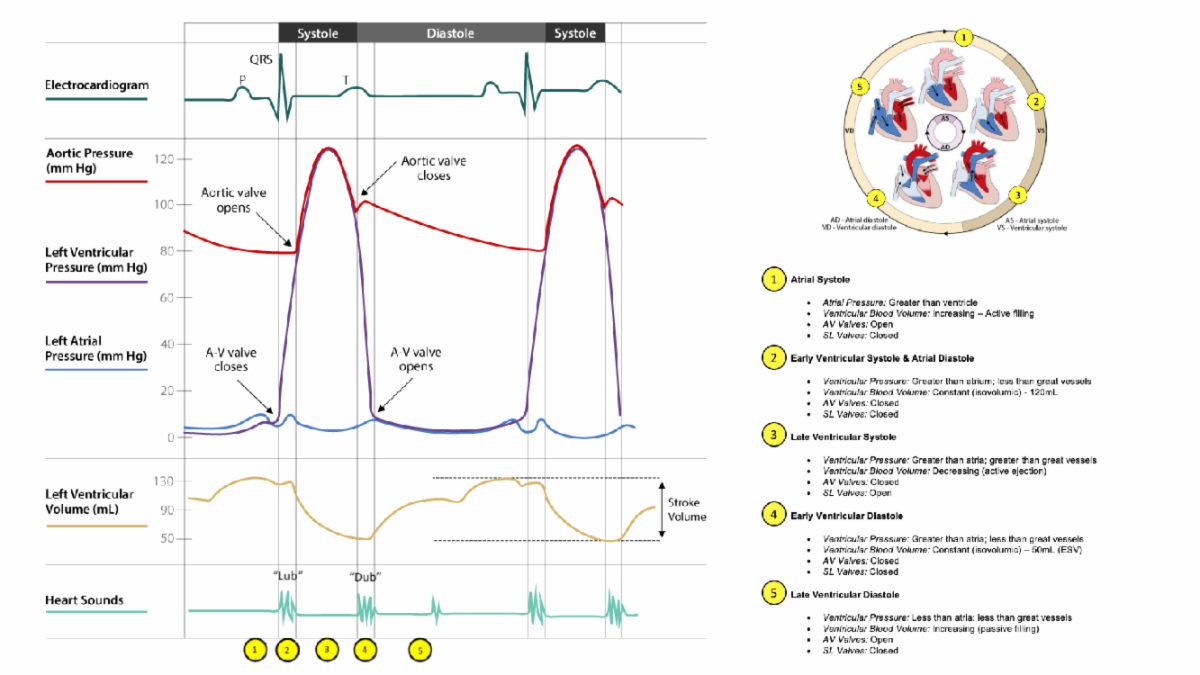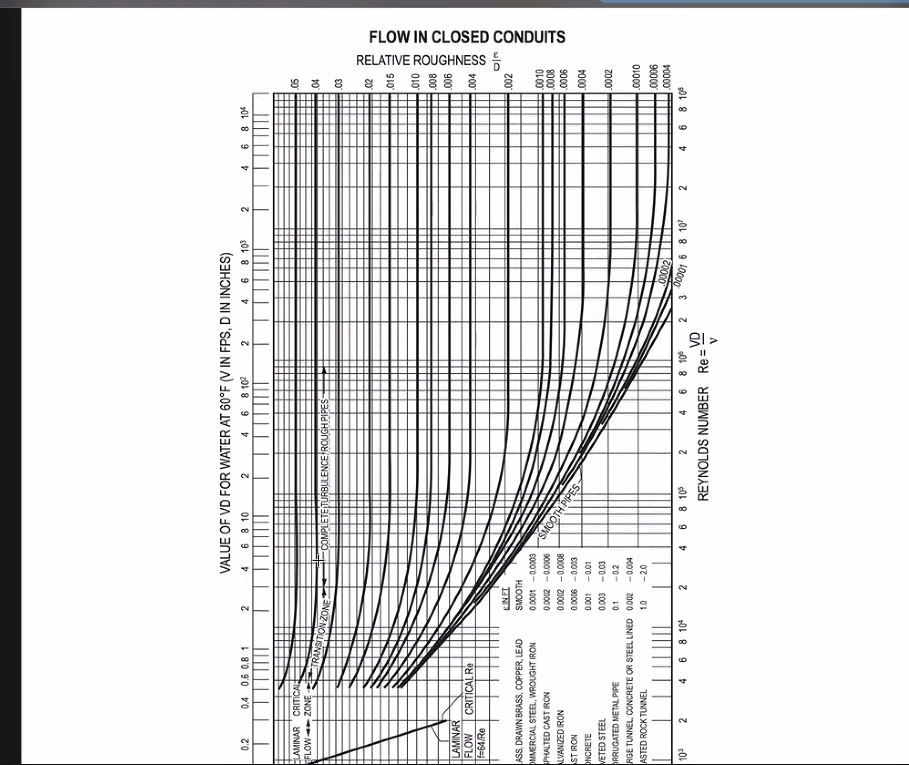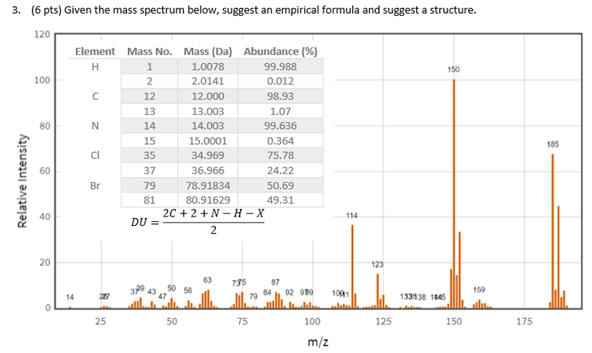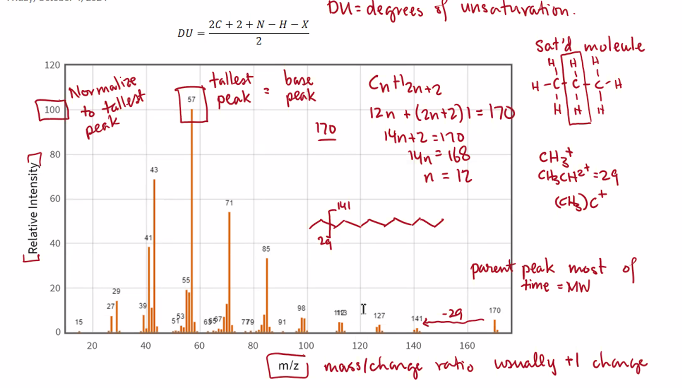

What are some examples of complex visual materials which may be eligible for a deferral?
As part of the Accessible Temple initiative, we recognize that faculty in some disciplines work with complex visual materials (charts, graphs, specialized images, and diagrams) and may require professional accessibility expertise or additional time to remediate materials or provide alternative accommodation strategies according to Web Content Accessibility Guidelines. Temple University has created a process that will allow faculty to submit these types of complex visual materials for review to determine if a deferred timeframe (past the April 24, 2026 deadline) is appropriate. The Accessible Technology Compliance Committee (ATCC) has formed the Accessible Temple Complex Materials Sub-Committee (ATCM) to manage the process. It is important to understand that this process does not exempt you from finding a solution for inaccessible complex visual materials, but instead enables a deferred timeline for making materials accessible. Also note that this is not a blanket deferral for all items in your course; you must still meet web content accessibility guidelines for the remainder of materials in your course.
What criteria will the committee use when reviewing my materials and deciding on a deferred timeframe?
The committee will consider the following criteria:
- Whether mechanisms currently available to individual faculty for remediating inaccessible digital materials:
- undermine the ability of students to meet objectives for the course, for example, by inappropriately revealing answers to students
- prevent students with disabilities access to the same information as those without disabilities
- prohibit students with disabilities from meeting course requirements or objectives
- fail to provide sufficient context to allow students with disabilities to meet a requirement tied to accreditation, licensure, or certification
- change the nature of a university program, service, or activity so much that it no longer serves its original purpose
- The quantity of inaccessible complex materials that require remediation means that the faculty member needs more time to complete the full remediation process
What are some examples of complex visual materials which may be eligible for a deferral?
Click on the images below.